The Role of a Co-Applicant in Improving Education Loan Eligibility
Higher education is becoming more expensive every year. Whether a student wants to study engineering, medicine, management, or abroad courses, the cost of education can be very high. Because of this, many students depend on education loans to continue their studies. But getting an education loan is not always easy, especially because students usually do not have a regular income or credit history. This is where a co-applicant becomes very important.
A co-applicant plays a major role in helping students get education loans easily. Banks and financial institutions look at the financial strength of the co-applicant before approving the loan. In many cases, a strong co-applicant can improve the chances of approval, increase the loan amount, and even reduce the interest rate.
Who is a Co-Applicant?
A co-applicant is a person who applies for the education loan together with the student. Usually, parents become co-applicants because they support the student financially. Some lenders also allow spouses, siblings, or legal guardians to become co-applicants.
The co-applicant shares the responsibility of repaying the loan if the student cannot repay it after completing studies. Because of this responsibility, banks carefully check the co-applicant’s financial background.
Why Do Banks Need a Co-Applicant?
Most students do not have jobs or steady income while studying. Since banks are lending a large amount of money, they need confidence that the loan will be repaid in the future.
The co-applicant gives financial security to the lender. A person with stable income and good financial history makes the bank feel safer about approving the loan.
Today, banks are becoming more careful while giving education loans because education costs are increasing rapidly in India and abroad. This is why the role of the co-applicant has become more important than before.
How a Co-Applicant Helps in Education Loan Approval
Increases Loan Approval Chances
One of the biggest advantages of having a strong co-applicant is better loan approval chances. If the co-applicant has a stable salary, regular income, and good repayment history, banks are more likely to approve the loan quickly.
Students applying for expensive foreign education programs especially need strong co-applicants because the loan amounts are usually very high.
Helps Get a Higher Loan Amount
The co-applicant’s income directly affects how much loan the student can receive. A person with higher income can support bigger loan amounts.
This helps students cover expenses like:
- Tuition fees
- Hostel fees
- Travel expenses
- Books and laptops
- Visa and insurance costs
- Daily living expenses
A financially strong co-applicant can help students study without financial stress.
Improves Chances of Lower Interest Rates
Banks may offer lower interest rates if the co-applicant has a good credit score and strong financial records. A lower interest rate helps reduce the repayment burden in the future.
Even a small reduction in interest rate can save thousands of rupees during the repayment period.
Speeds Up Loan Processing
If the co-applicant provides proper documents and has a clear financial profile, the loan approval process becomes faster.
This is very helpful for students who have admission deadlines or visa appointments for foreign education.
Important Things Banks Check in a Co-Applicant
Before approving the loan, banks check several details about the co-applicant.
Income Stability
Banks prefer co-applicants with regular monthly income. Salaried employees, government workers, and business owners with steady earnings are usually preferred.
Credit Score
The credit score shows how responsibly a person handles loans and credit cards. A high credit score increases loan approval chances.
Most banks prefer co-applicants with good repayment records and fewer loan defaults.
Existing Loans and EMIs
If the co-applicant already has too many loans or EMIs, the bank may think repayment will become difficult. Lower financial burden improves education loan eligibility.
Employment or Business Stability
People working in stable companies or running successful businesses are considered safer by lenders.
Common Mistakes Students Should Avoid
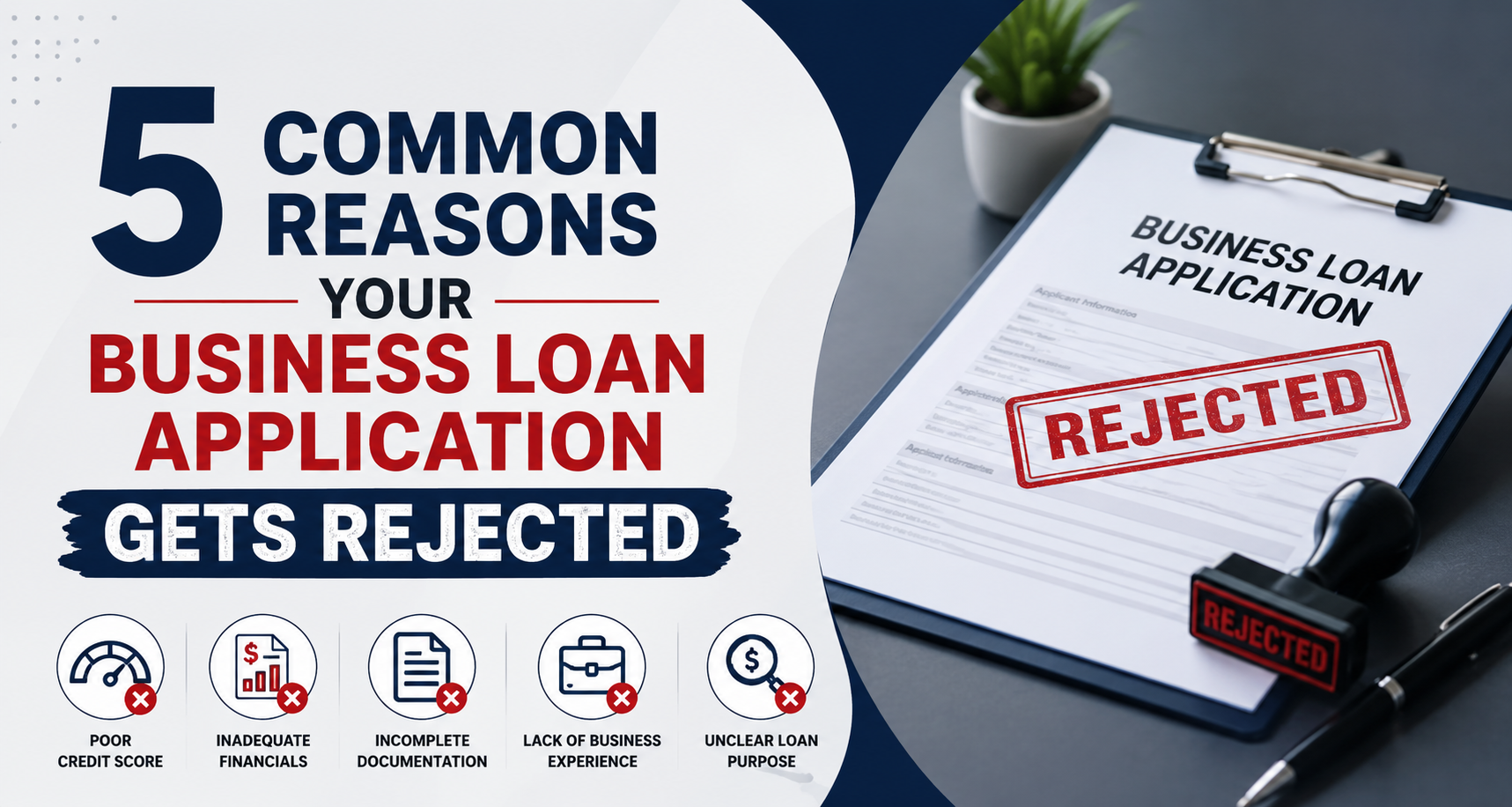
Many education loan applications get delayed or rejected because of simple mistakes.
Incomplete Documents
Missing salary slips, bank statements, Aadhaar cards, PAN cards, or tax returns can slow down the process.
Poor Credit History
Late payments on credit cards or previous loans can negatively affect loan approval.
Applying for Too Much Loan
Students should apply for a realistic loan amount based on actual education expenses and repayment ability.
Wrong Information
Providing incorrect details in the application can create trust issues with the bank.
Tips to Strengthen the Co-Applicant Profile
Families can improve loan approval chances by following these simple steps:
- Maintain a good credit score
- Pay EMIs and bills on time
- Keep bank statements clean
- File income tax returns regularly
- Avoid taking unnecessary loans before applying
- Submit all documents correctly
Good financial planning can make the education loan process much smoother.
Growing Importance of Co-Applicants in 2026
In recent years, education loan demand has increased because more students are choosing higher education and overseas studies. At the same time, banks are becoming stricter while checking repayment capacity.
Because of rising education costs and economic uncertainty, lenders now depend more on co-applicant profiles than before. A financially stable co-applicant gives confidence to banks that the loan will be repaid safely.
As a result, students with strong co-applicants often receive quicker approvals and better loan benefits.
Conclusion
A co-applicant plays a very important role in improving education loan eligibility. From increasing approval chances and loan amounts to helping students get lower interest rates, the co-applicant supports the entire loan process.
For students planning higher education, choosing the right co-applicant is very important. A financially strong co-applicant with stable income and good credit history can make education financing much easier.
With proper financial planning and correct documentation, students and families can successfully secure education loans and focus on building a bright future through quality education.