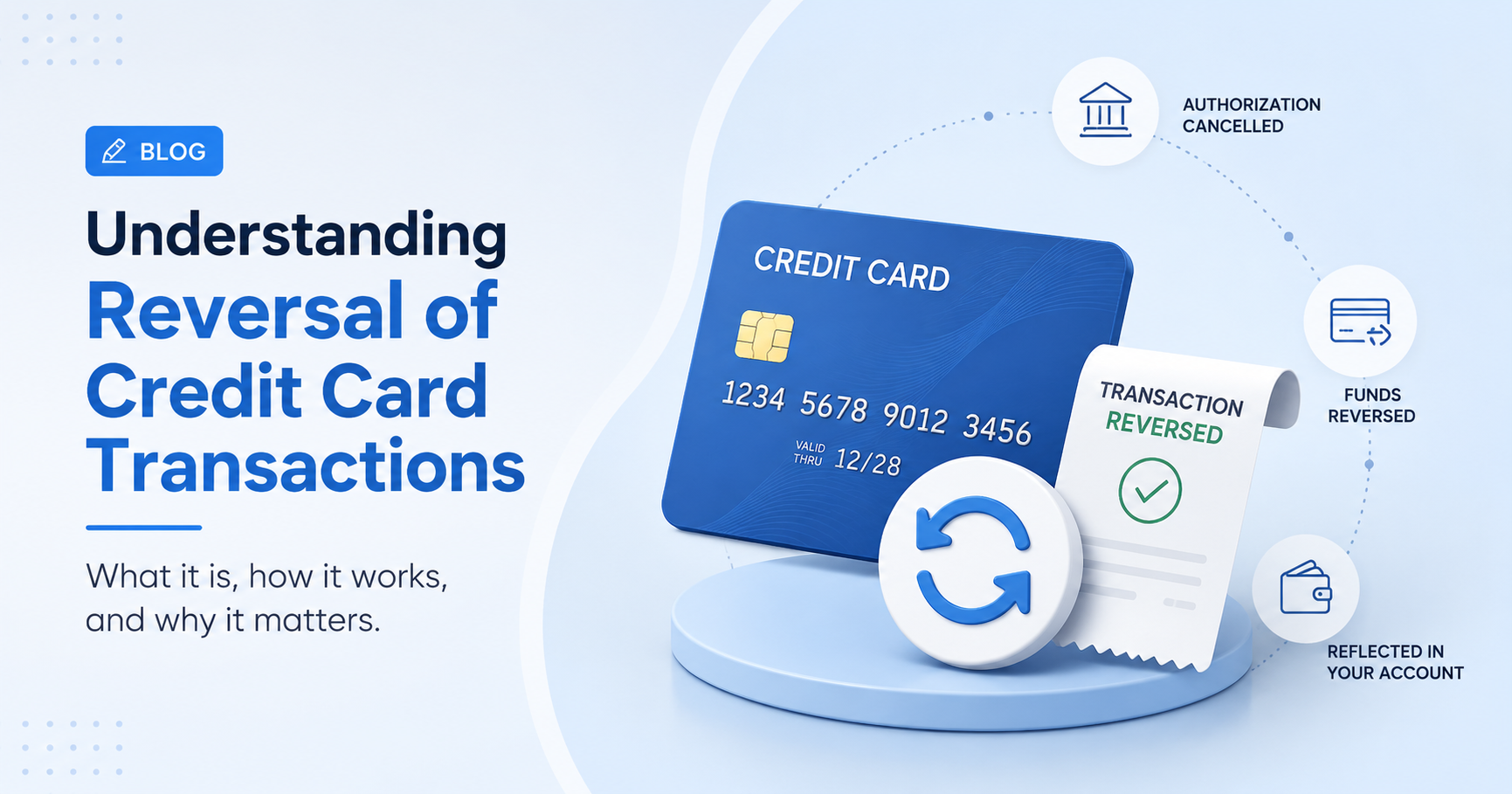
Understanding Reversal of Credit Card Transactions
Credit cards have transformed the way people make payments in today’s digital world. Whether it is online shopping, utility bill payments, hotel bookings, or everyday purchases, credit cards provide convenience and flexibility. However, transaction-related problems can sometimes occur during the payment process. Customers may face failed transactions, duplicate deductions, canceled purchases, or even unauthorized card usage. To resolve such issues, banks and financial institutions use a process known as credit card transaction reversal.
A transaction reversal helps customers recover money that was wrongly deducted or involved in an incomplete payment process. It acts as an important protection mechanism within the digital banking system.
What is a Credit Card Transaction Reversal?
A credit card transaction reversal is the process of returning funds to the cardholder when a payment does not go through correctly or needs to be canceled. In simple terms, it means reversing a transaction that was either processed incorrectly or could not be completed successfully.
When a reversal is initiated, the deducted amount is credited back to the customer’s credit card account. Depending on the situation, the reversal may happen automatically through the banking system or after a request from the customer or merchant.
Reasons Behind Credit Card Transaction Reversals
Payment Failure
Payment failures are among the most common reasons for transaction reversals. Technical glitches, internet disruptions, or server downtime may interrupt the payment process. Even though the transaction fails, the amount may temporarily get deducted from the customer’s account. Banks usually identify such issues and reverse the amount within a few working days.
Double Deduction of Amount
Sometimes a payment may be processed more than once due to system errors or repeated transaction attempts. This can lead to duplicate charges on the customer’s credit card. In such situations, the extra amount is reversed after verification.
Refund for Cancelled Purchases
When customers cancel orders or return products purchased online, merchants process refunds to the original payment method. The refunded amount is credited back to the customer’s credit card account, which is also considered a type of transaction reversal.
Unauthorized Usage
Fraudulent transactions or unauthorized use of a credit card can also result in reversals. If a cardholder notices suspicious activity, the issue must be reported to the bank immediately. After reviewing the transaction details, the bank may reverse the amount if the complaint is found to be genuine.
Incorrect Transaction Amount
There are occasions when merchants accidentally charge customers more than the actual bill amount. Once the error is identified, the excess amount is reversed back to the customer’s card account.
Process of Credit Card Transaction Reversal
The reversal process generally starts when an issue is detected by the customer, merchant, or bank. After identifying the problem, the customer may contact customer support or raise a dispute request. The bank or merchant then verifies the transaction details and investigates the issue.
If the claim is valid, the deducted amount is credited back to the customer’s credit card account. The duration of the process may vary depending on the type of transaction and the policies of the financial institution involved.
Difference Between Reversal and Chargeback
Transaction Reversal
A transaction reversal takes place before the payment is fully settled between the merchant and the bank. It is commonly used to fix failed transactions, duplicate deductions, or technical payment errors. The process is usually quick and straightforward because the transaction is stopped before final settlement.
Chargeback
A chargeback is a formal dispute raised by the customer after the transaction has already been completed. This process is mainly used in cases involving fraud, unauthorized transactions, or disputes regarding products and services. During a chargeback investigation, the bank collects information from both the merchant and the customer before making a decision. Since it involves detailed verification, chargebacks usually take more time compared to transaction reversals.
Time Required for Reversal
The processing time for a reversal depends on the nature of the transaction and the financial institution handling it. Failed payment reversals are often completed within a few working days, while refunds initiated by merchants may take longer. International transactions and dispute-related cases may require additional processing time.
Tips to Avoid Transaction Issues
Customers should always use trusted payment platforms and secure internet connections while making online payments. Keeping transaction receipts, SMS alerts, and order confirmation details can help during disputes or refund claims. It is also important to regularly review credit card statements to identify unusual transactions at an early stage.
Prompt reporting of unauthorized transactions can help prevent further misuse of the card and improve the chances of successful reversal.
Conclusion
Credit card transaction reversals play a vital role in ensuring safe and reliable digital payments. They help customers recover funds from failed transactions, duplicate deductions, canceled purchases, and unauthorized activities. Understanding how the reversal process works can help cardholders respond quickly and manage transaction-related issues more effectively.
As digital payments continue to grow, awareness about transaction reversals becomes increasingly important for every credit card user. Proper monitoring, secure payment practices, and timely reporting can help customers enjoy a safer and smoother payment experience.